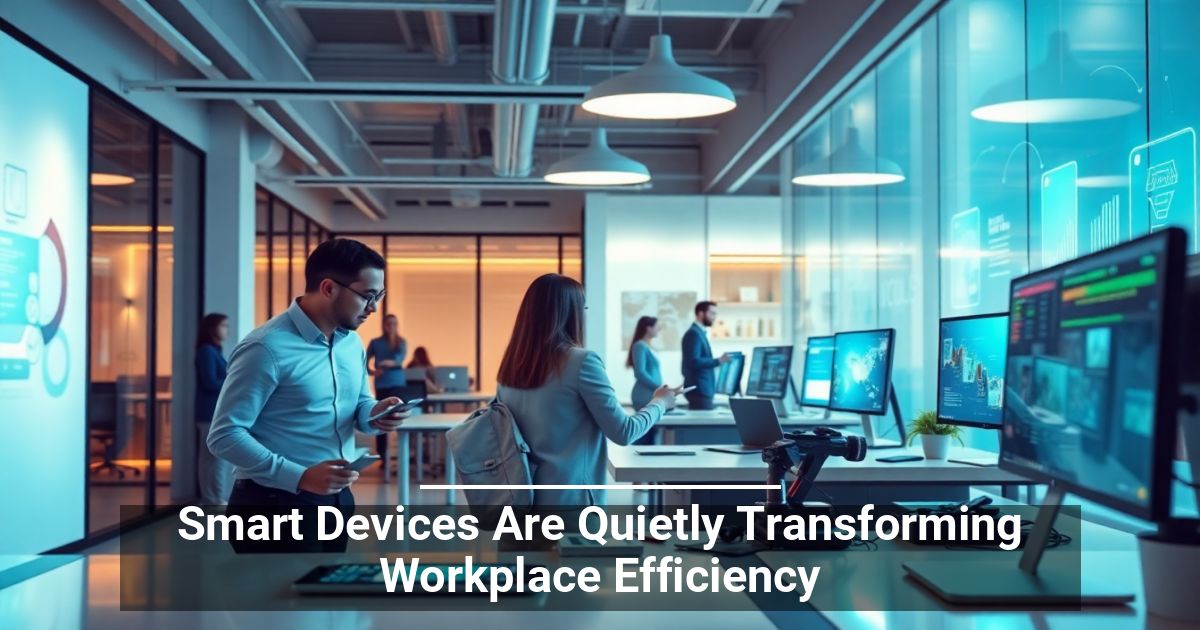
 Is your workplace keeping pace with today's technology? Smart devices powered by artificial intelligence (AI) are revolutionizing how businesses operate from the inside out. Learn more about them here.
What Do Smart Devices Look Like Today?
Smart devices have come a long way. Early models with rudimentary sensors and isolated systems only focused on basic automation. Today, they're sleek, interconnected ecosystems that can supplement or even fully cover various parts of your core operations.
Every industry working in digital spaces will likely benefit from adopting these advancements. Smart devices are also much more portable now, which is a boon for remote work setups and on-the-go employees.
Modern Solutions for a Modern Workplace
Businesses that adopt technology reactively often find themselves stuck in a game of perpetual catch-up. Here are just some of the many worthwhile advantages of integrating smart devices into your workflows sooner rather than later:
Enhanced Communication Channels
Gone are the days of clunky conference calls. Smart devices paired with platforms like Microsoft Teams or Slack enable instant communication through video calls, chats, or shared files. These tools foster real-time collaboration and eliminate many traditional office bottlenecks.
Workflow Automation
Many routine tasks may seem deceptively quick and simple, but they consume valuable time that would be better spent on more complex initiatives. Many smart devices feature AI-powered assistants that can handle many jobs, including:
- Scheduling appointments and meetings
- Managing email correspondence
- Sending reminders and notifications
- Generating reports
- Processing and tracking orders
- Managing social media posts and updates
By automating these tasks, your team gains more bandwidth for creativity, innovation, and meaningful client interactions.
Smarter Data Access and Sharing
Instead of tethering all your important data to one physical location, why not store it online? With cloud storage integration, you can easily access files on all your smart devices. This setup allows team members to upload and review documents without needing to be in the same office, or even the same time zone.
Advanced Analytics
By leveraging a combination of embedded sensors, IoT technology, and advanced algorithms, smart devices can bring you real-time data insights. Imagine a smart thermostat analyzing energy usage to suggest cost-saving adjustments, or a POS system identifying peak hours to optimize staffing. The constant stream of data these tools collect allows them to continuously learn and adapt with your business.
Navigating the Complexities of Smart Device Integration
Smart devices are game-changers for employee efficiency, but they're not without their hurdles. Watch out for the following:
- Data security risks: If not properly secured, the data collected by these devices could become vulnerable to breaches. It's crucial to implement robust encryption and access controls.
- Compatibility issues: Not all systems play well together. Choosing tools that don't integrate seamlessly with your existing systems can cause headaches and inefficiencies.
- A steep learning curve: Your team might need additional training to get used to the new tech, which could slow adoption and workplace productivity in the short term.
Smart devices are becoming more commonplace across industries. Adopt them carefully and thoughtfully to reap the long-term rewards for your business.